“The Gettysburg of Normandy”
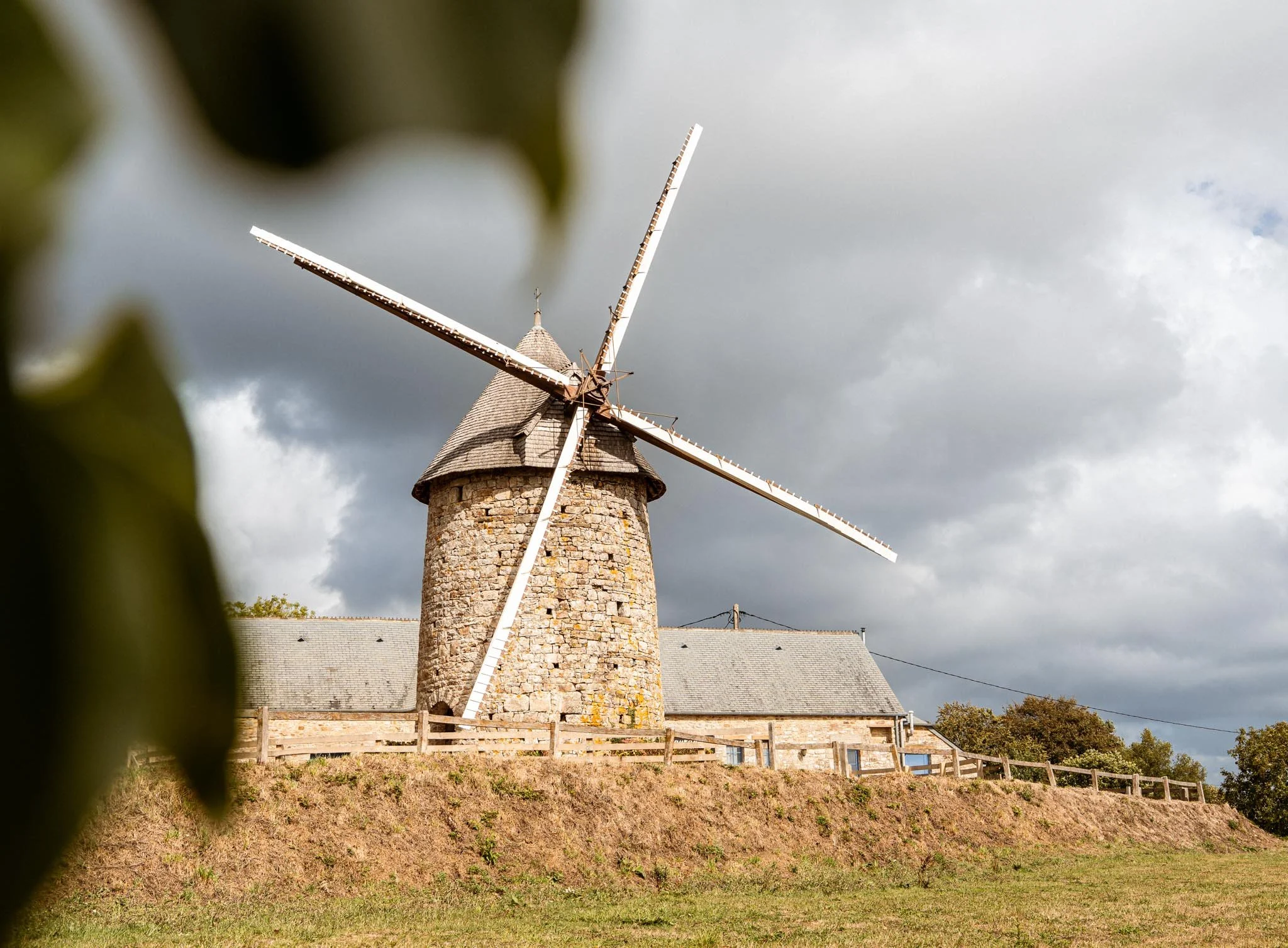
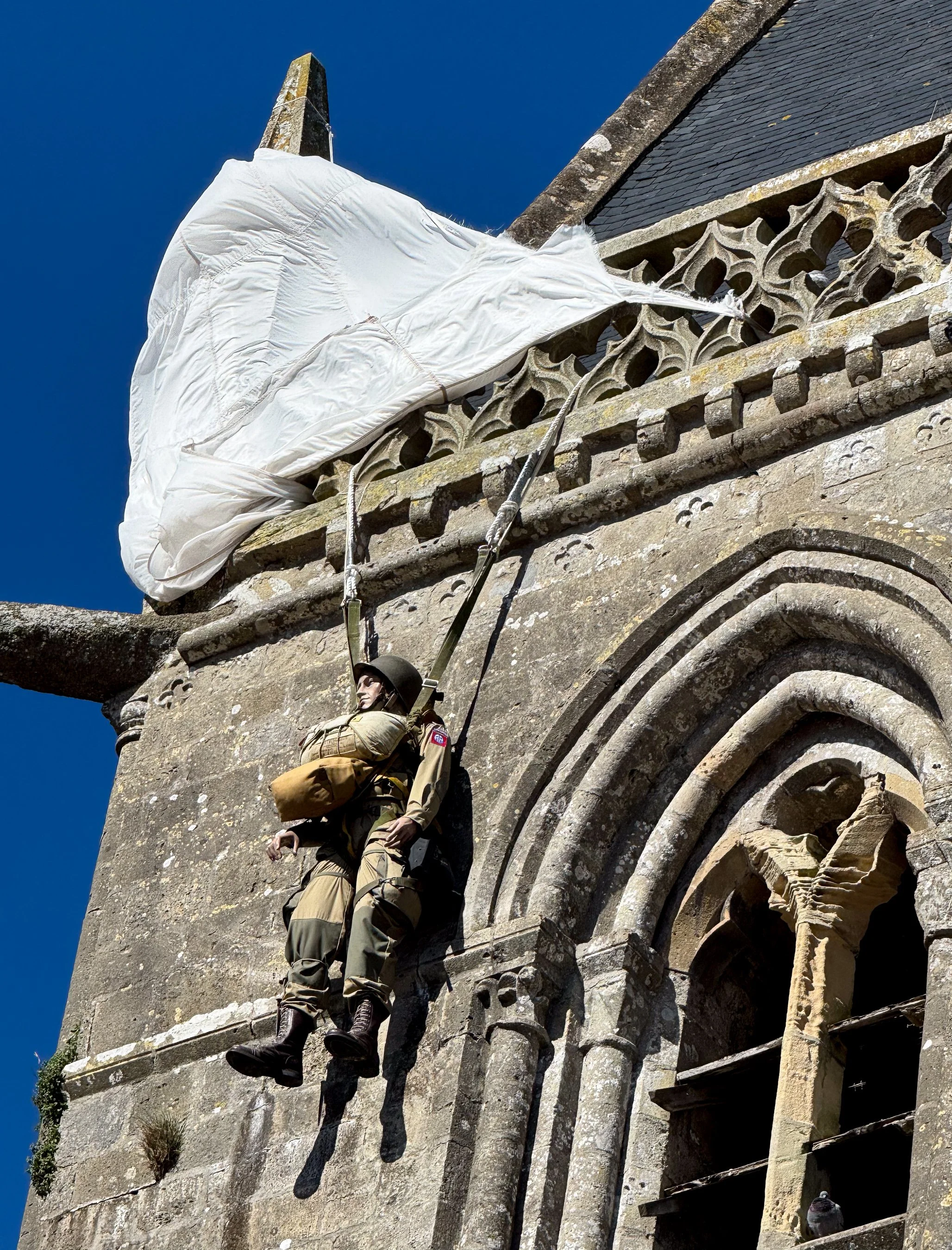
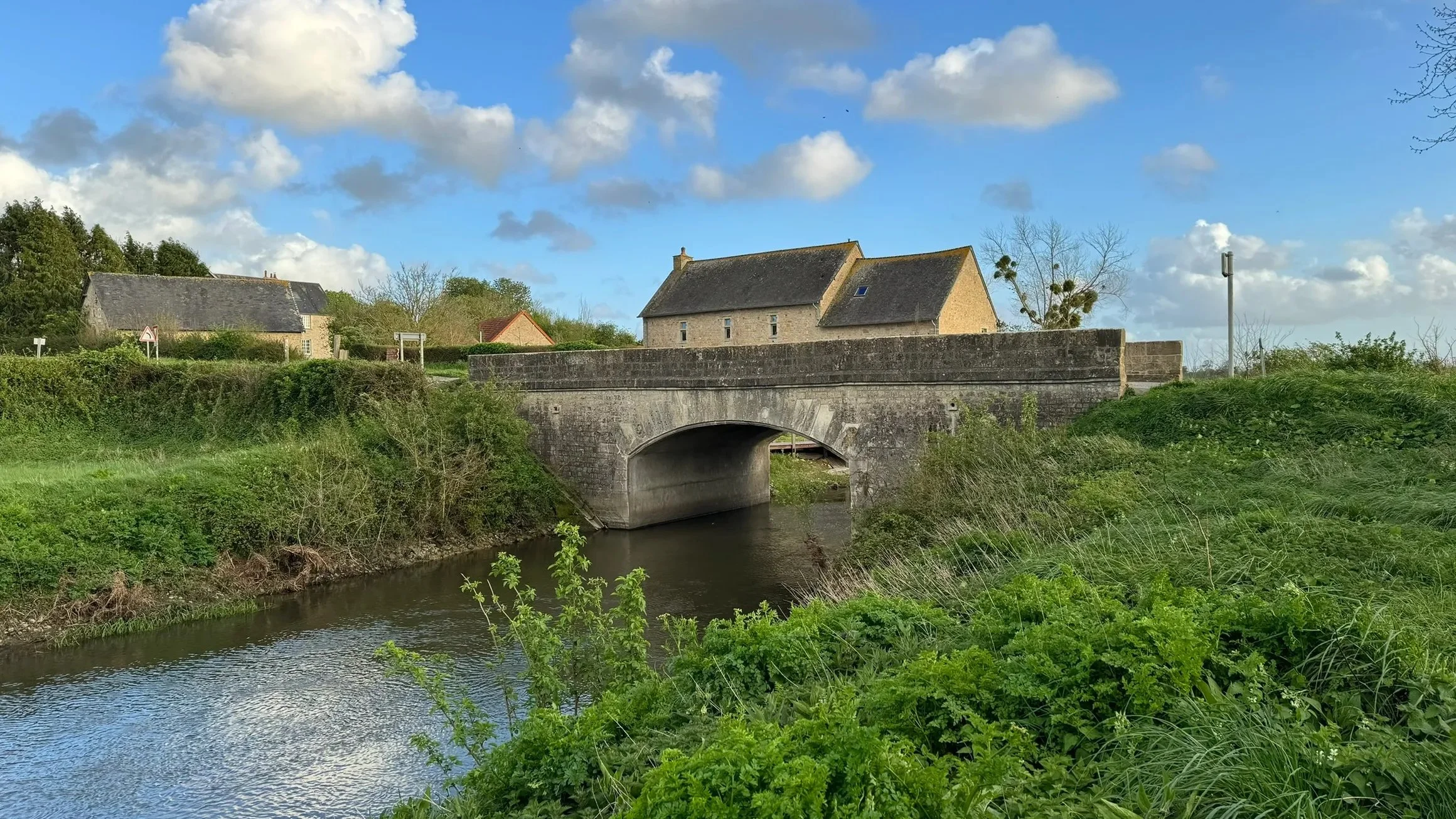
The stone house beside the Merderet River dates back to the 11th century, near the site of an ancient Viking settlement. Nearly nine hundred years later, this unassuming corner of Normandy would become the setting for one of the fiercest battles of the Allied invasion. In the early hours of June 6, 1944, approximately 6,420 paratroopers of the 82nd Airborne Division descended from nearly 370 C-47 Skytrain aircraft as part of Mission Boston, hours before the D-Day landings. Their objectives included capturing the town of Sainte-Mère-Église and securing the vital bridges and causeways across the Merderet River.
Why this bridge mattered.
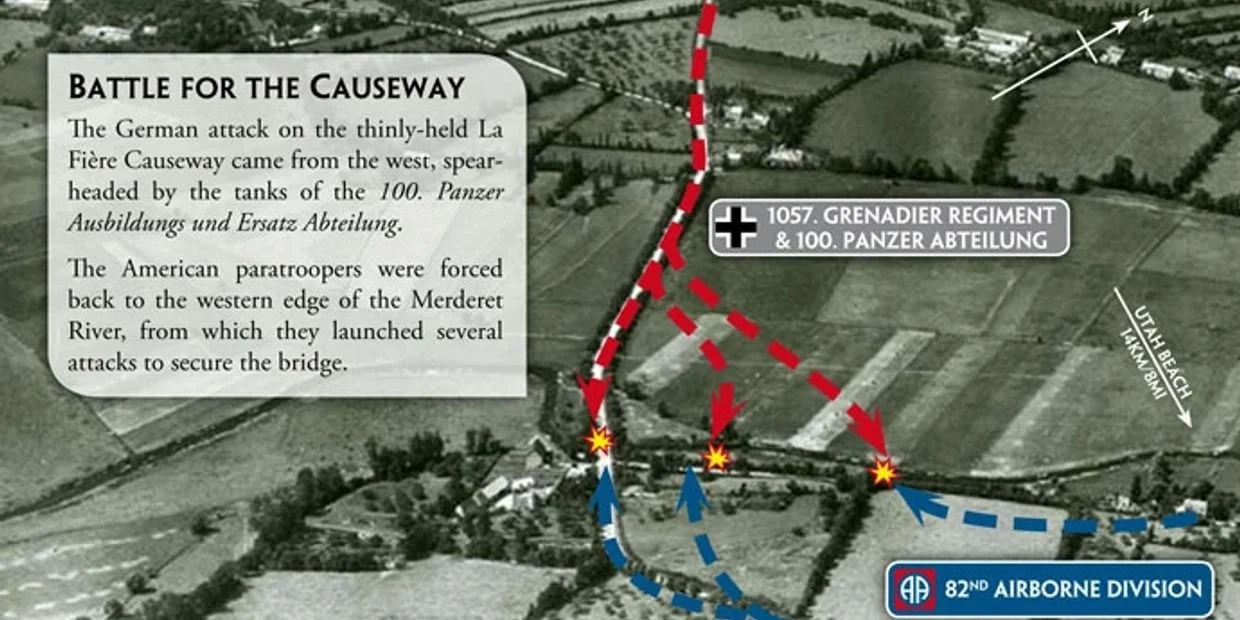
The small stone bridge at La Fière and its narrow causeway provided a vital passage through the marshes surrounding the Merderet River. For American forces arriving from Utah Beach, securing this crossing was essential to advancing inland. For German forces, holding it meant slowing the Allied advance. With marshes surrounding the narrow route, this seemingly unremarkable crossing became a crucial strategic objective for both armies.
Four days at La Fière.
Scattered across the Normandy countryside on June 6, 1944, many American paratroopers found themselves far from their intended drop zones. Soldiers of the 82nd Airborne Division converged on La Fière, where they fought to capture the manor house and secure the bridge. Among them was Lieutenant Homer Jones, who led an assault on the manor, while John Marr and other paratroopers helped seize the position.
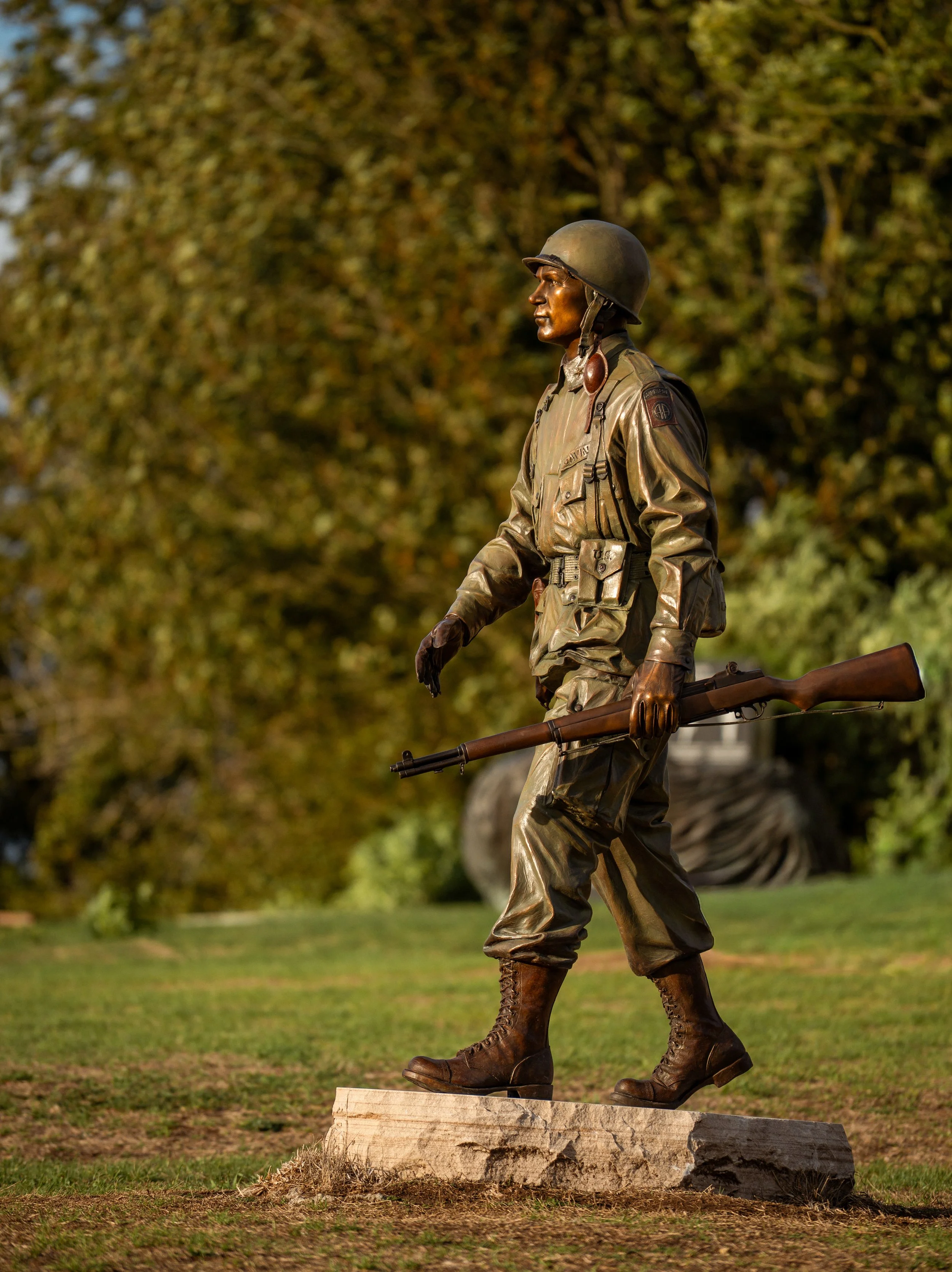
The fighting intensified as German forces launched repeated attacks across the causeway. On June 6 and 7, American soldiers, including Browning Automatic Rifleman Dave Bullington, fought to repel advancing German infantry. As casualties mounted and ammunition dwindled, the defenders struggled to hold their ground.
By June 8, American units west of the river remained isolated, and attempts to retake Cauquigny had failed. On June 9, glider infantrymen, including Staff Sergeant Bud Olson, participated in a frontal assault across the causeway. American forces ultimately secured the crossing, allowing ground troops from Utah Beach to move inland.
“I know of no better spot to die. We stay.”
— Lieutenant John “Red Dog” Dolan, in an order carried by paratrooper Bob Murphy.
The cost of victory.
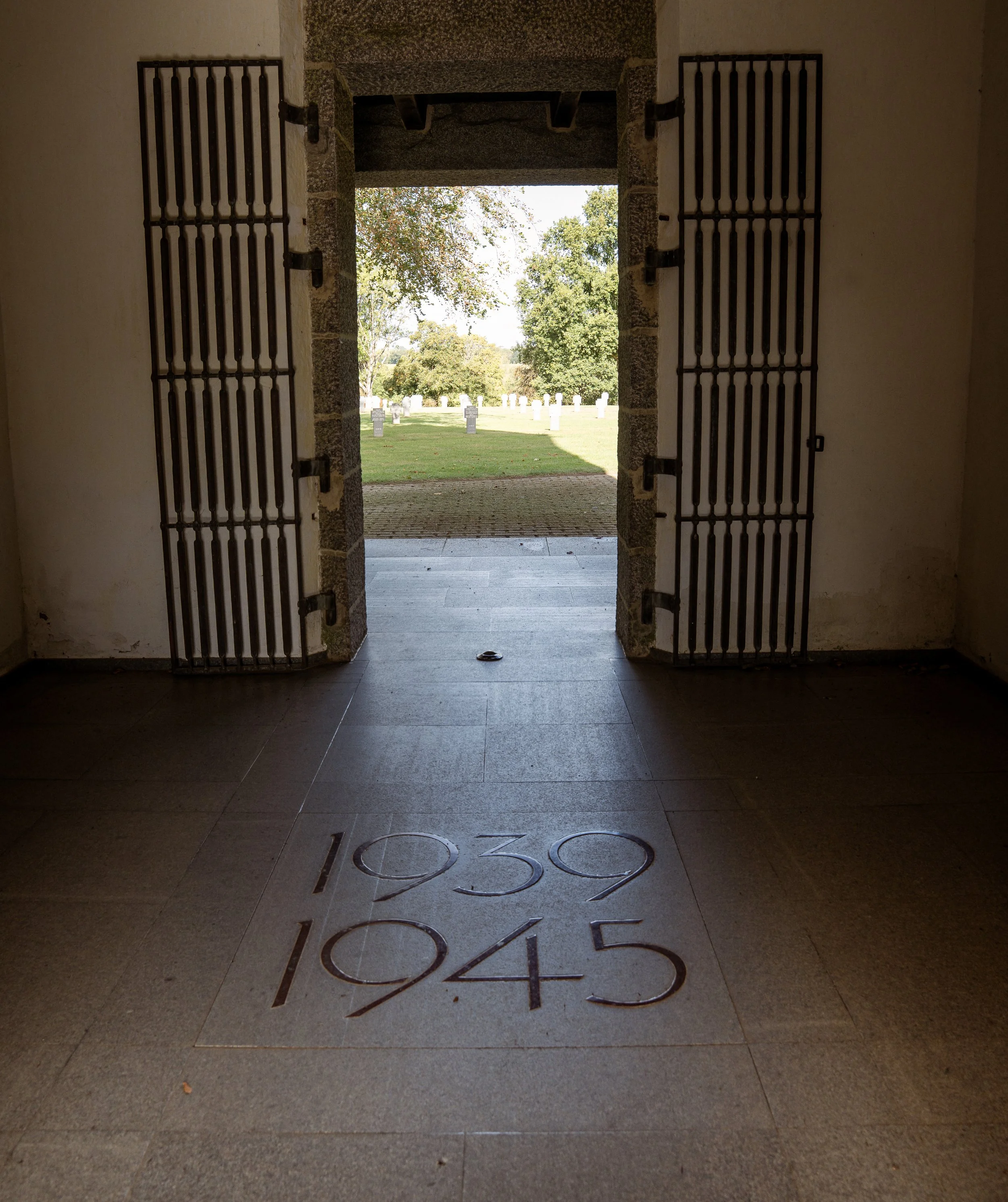
The victory came at a devastating human cost. More than 250 American soldiers lost their lives during the four-day struggle for La Fière. Their sacrifice helped secure a vital route inland from Utah Beach, contributing to the Allied advance through Normandy. Often overshadowed by the beach landings, the battle serves as a reminder that the success of D-Day depended not only on the troops who stormed the coast, but also on the men who fought to open the way beyond it.
Where history lives on.
Today, the historic stone guesthouse beside the Merderet River offers visitors a unique opportunity to stay in the very landscape where these events unfolded. Acquired by Patton Patrimony (SCI) and restored in 2022, the property is owned by an international group of dedicated individuals from the United States, the Netherlands, and Germany.
With its welcoming staff, the guesthouse provides an ideal base for exploring Normandy and the sites of the Allied invasion. Yet its most meaningful connection to history lies just outside its doors: the Merderet River and the landscape where the soldiers of La Fière fought.
Here, history is more than something to read about. It is something to experience.
What our guests say.
Discover what past guests have shared about their time at La Fière Bridge Guesthouse.
Read guest reviews here.